

Home cooking has long been
associated with traditional rural life and for a long time, kitchenware designs
have strongly reflected these rural beginnings. Old-fashioned copper or cast
iron pans, wooden spoons, timers and placemats have been a common sight, even
in brand-new kitchenware for many years, with items being made to look like
they had been handed down for generations.
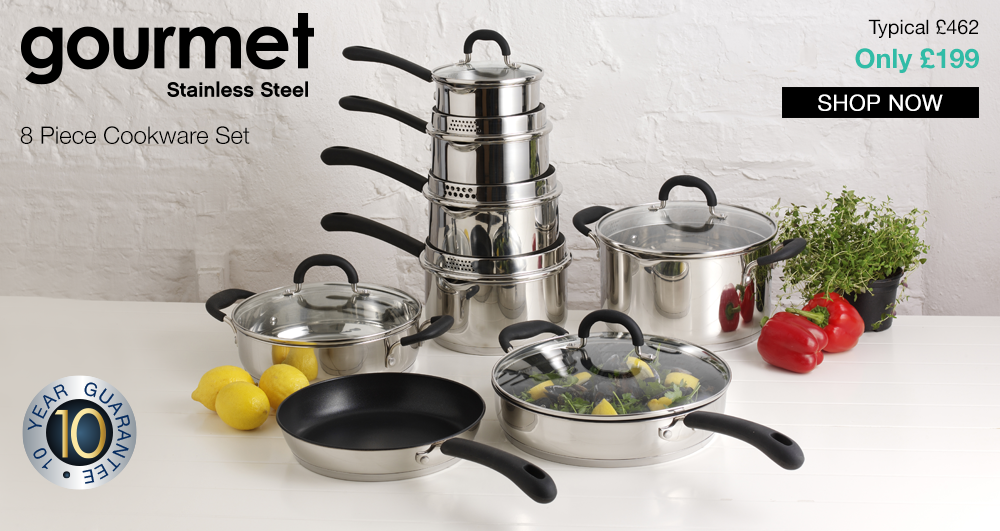
Today, with the urban lifestyle becoming much more prominent, cookware has been revived to suit the modern home. New kitchenware designs reflect more modern tastes; created with modern materials and visual styles in mind whilst maintaining a more traditional function, as perfected in rural homes.
With the popularity of Heston Blumenthal and his futuristic kitchenware and cooking gadgets, people are looking for kitchenware that reflects their city homes. Modern homes and kitchens have a much different feel to is found in the country, so new ranges that complement the sleek kitchen designs are a must have for urban living cooks.
Kitchenware has been receiving an overdue update. We are now seeing a trend of “urban rural” which takes the old, traditional kitchenware tools of our family homes and transforms them into sleek and modern items that better fit within a city lifestyle. With this revival the urban household can now build up new traditions that bring the joys of rural life into city homes.
This new kitchenware phenomenon has turned old equipment into modern tools. The bowl scrapers from our childhood baking cakes in our rural family homes are now made from light and flexible silicone. The fun shaped egg timers we all played with and used in our rural cooking are now shiny and sleek; made from stainless steel to match modern kitchenware and cookware.
Instead of traditional wicker or the image of country watercolour paintings to place our dinner plates on, today’s placemats are made from acrylic with bare bold, vibrant twists on traditional designs like gingham. At heart, these new designs reflect their rural origins but now embrace the modern materials and tastes of the urban lifestyle.
Urban rural kitchenware is quickly making an impression on modern homeowners looking to build the perfect, family home in the big cities. It makes great use of modern materials, such as silicon and plastics, which are shaping both cooking and decorating. This unique combination of traditional tools with new materials is perfect for the keen home chef to match their kitchenware with their modern interior design.
Today, with the urban lifestyle becoming much more prominent, cookware has been revived to suit the modern home. New kitchenware designs reflect more modern tastes; created with modern materials and visual styles in mind whilst maintaining a more traditional function, as perfected in rural homes.
With the popularity of Heston Blumenthal and his futuristic kitchenware and cooking gadgets, people are looking for kitchenware that reflects their city homes. Modern homes and kitchens have a much different feel to is found in the country, so new ranges that complement the sleek kitchen designs are a must have for urban living cooks.
Kitchenware has been receiving an overdue update. We are now seeing a trend of “urban rural” which takes the old, traditional kitchenware tools of our family homes and transforms them into sleek and modern items that better fit within a city lifestyle. With this revival the urban household can now build up new traditions that bring the joys of rural life into city homes.
This new kitchenware phenomenon has turned old equipment into modern tools. The bowl scrapers from our childhood baking cakes in our rural family homes are now made from light and flexible silicone. The fun shaped egg timers we all played with and used in our rural cooking are now shiny and sleek; made from stainless steel to match modern kitchenware and cookware.
Instead of traditional wicker or the image of country watercolour paintings to place our dinner plates on, today’s placemats are made from acrylic with bare bold, vibrant twists on traditional designs like gingham. At heart, these new designs reflect their rural origins but now embrace the modern materials and tastes of the urban lifestyle.
Urban rural kitchenware is quickly making an impression on modern homeowners looking to build the perfect, family home in the big cities. It makes great use of modern materials, such as silicon and plastics, which are shaping both cooking and decorating. This unique combination of traditional tools with new materials is perfect for the keen home chef to match their kitchenware with their modern interior design.


